CATEGORIES
- Latest News
- Interviews
- Golf Travel
- Features
- Juniors
- Competition
- Events
- Health
- Equipment
- Fashion
- Archive
INFORMATION
CURRENT ISSUE

SUBSCRIPTIONS



CATEGORIES
INFORMATION
CURRENT ISSUE
SUBSCRIPTIONS




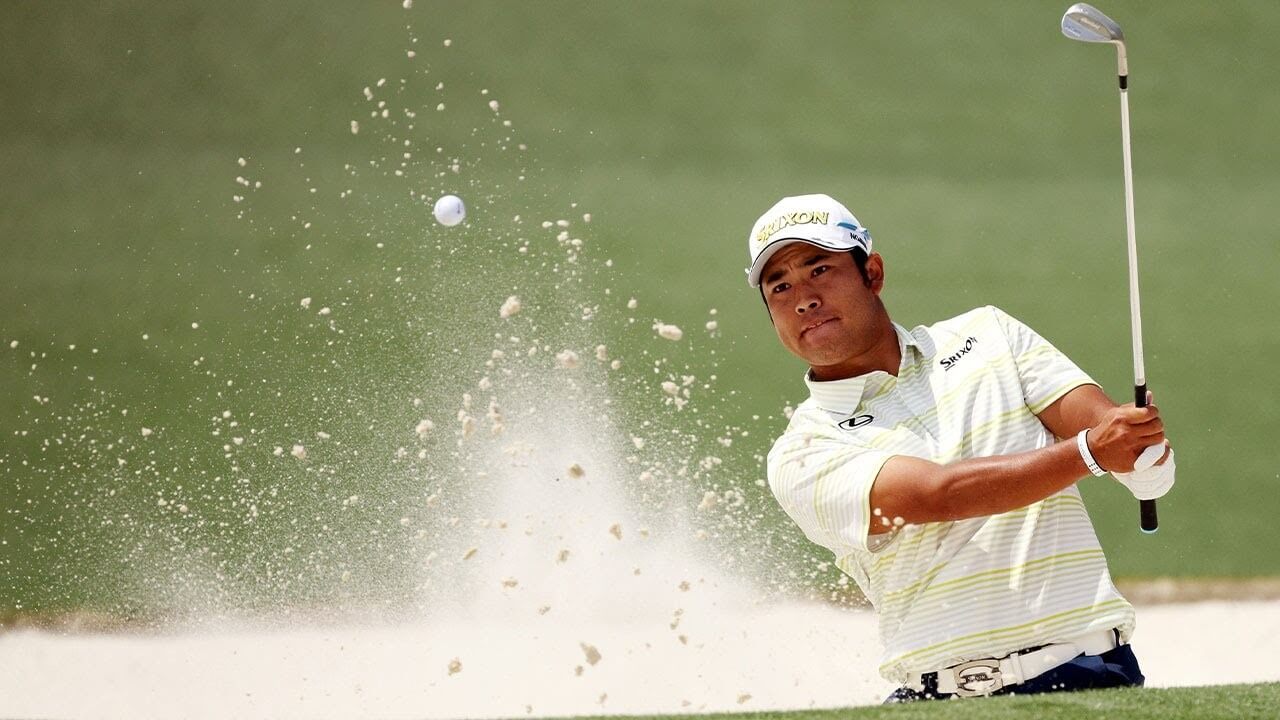
An analysis of professional golfers and how they react to their hole-by-hole play has given Macquarie economists a useful insight into human
performance – namely, that emotional control is a key to improving it.
Winning streak: The 2021 US Masters winner Hideki Matsuyama of Japan ... Macquarie research has underlined the importance of
psychological skills for top golfing performance.
Dr Paul Crosby and Dr Andrew Evans, lecturers in Economics at Macquarie Business School, used data from about 120 men’s and women’s
professional golf tournaments over two seasons from the top tours in the United States to study the impact of both bad and good play on pro
golfers’ ensuing performances.
“Our angle here was that golf can be measured hole-by-hole,” says Crosby. “The idea was that bad play should engender negative emotions and
we looked at how that affected performance on the next hole. We used the data as a proxy for emotional responses.”
The researchers tested for the existence of the so-called ‘hot-hand’ effect by examining whether a good score on a prior hole had a
positive effect on the score on the next hole.
Even the top pros display the lingering effect of recent bad play. The mechanism for this outcome could be a loss of confidence or
composure.
They similarly tested for the ‘cold-hand’ effect – that is, whether a bad prior hole increased the chance of another bad hole.
“While we didn’t find evidence of a hot-hand effect, there is a statistically significant cold-hand effect, especially on a hole following a
double-bogey (two shots over par) or worse,” Crosby explains.
“Even the top pros display the lingering effect of recent bad play. The mechanism for this outcome could be a loss of confidence or
composure, or other psychological effects.
“We found that our measure of a cool head (low sensitivity to prior performance) was related to better scoring, whilst a tendency towards
streaky play (hot and cold hand) was related to worse scoring.”
Wired
and emotional
The researchers suggest the results provide empirical support for the notion that performance training should incorporate psychological
skills, including strategies for controlling emotional responses to success and failure in the short run.
Easy does it: The researchers used data from about 120 women and men's tournaments held in the US, and failed to find evidence
of a 'hot hand' effect.
“Our analysis indicates one of the keys to improved performance and avoiding negative thinking is emotional control,” says Crosby.
“It’s about not changing your approach to the next task when something goes wrong,” advises Evans. “Remember what you are good at and don’t
let outside thoughts impact what you know you can do. Reset and do exactly what you trained for.”
It’s important to remember our research is about highly skilled tasks. There is not much point in, say, baristas psyching themselves
up for every latte.
However, the researchers point out, just being positive doesn’t make you elite. Despite what is said about the power of positive thinking, a
firm belief that you can be the next 100-metres Olympic champion won’t make it happen.
“But the research does indicate there is something on the negative side; if you get into a negative funk, there is a feedback mechanism
that can impair your performance,” says Evans.
What’s golf got to do with economics?
“Fundamentally, sport – in this case golf - is an ideal environment for a study such as this, where we’re measuring the impact of emotions
on performance. This is informative for an economist,” says Crosby.
“The connection between economics and the psychology of why humans do things is important,” says Evans. “People regularly have to make
choices between things like work and leisure, or consumption versus saving.
"Emotions and confidence are often thought to affect the choices people make, and their ability to perform tasks. This study is
interesting because it uses sports data to give a direct insight into how confidence can affect performance.”
As far as applications for the business world are concerned, “it’s important to remember our research is about highly skilled tasks. There
is not much point in, say, baristas psyching themselves up for every latte,” says Crosby.
“It also focuses on the short-term; a five-ten-minute time frame,” adds Evans. “In a business context, there could be a parallel for a
manager who must make an important decision within minutes of making a mistake, but further research would be required to confirm this.”
Dr Paul Crosby and Dr Andrew Evans are lecturers in Economics at Macquarie Business School
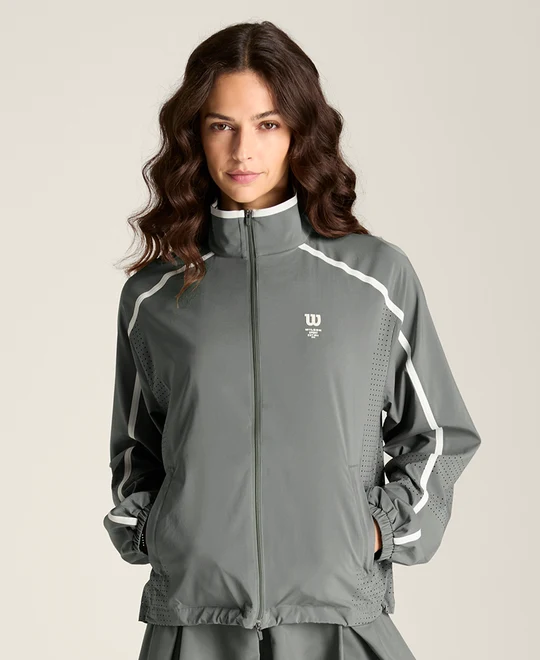
Wilson Victory Tech Jacket
From the course to the clubhouse. This fab jacket is sweat-friendly and ultra-lightweight. It’s the perfect protection for when the wind
buffs the fairways. Perforated side panels keep air flowing and the relaxed, modern silhouette turns heads. Get it. $148
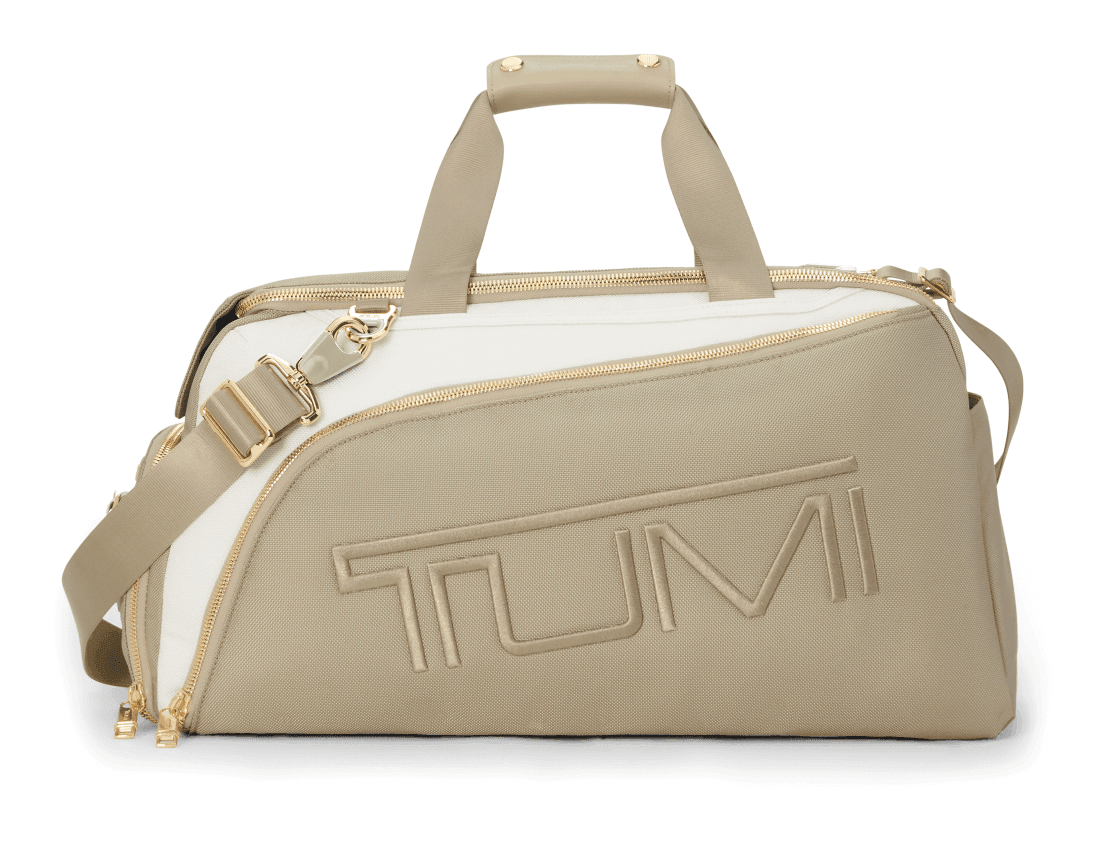
TUMI Sport Duffel
Hit
the green with a bag personalized to your game. Choose to carry it as a duffel or backpack and add the embroidery of your choice. TUMI
brand ambassador Nelly Korda knows style and function are paramount and so do we. $695
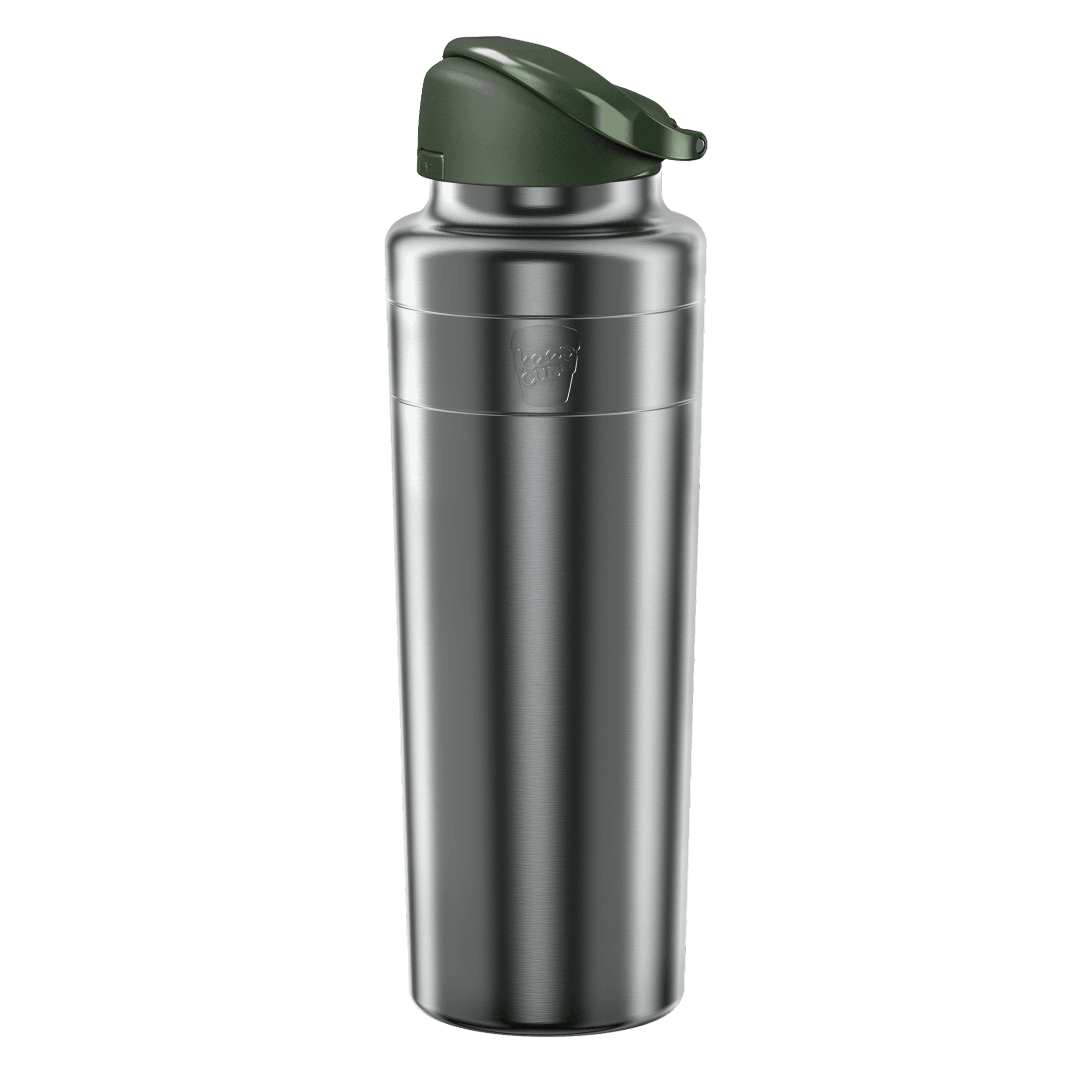
KeepCup Ora Bottle in Nitro Pine
Why you'll love it! This KeepCup Ora Insulated Water Bottle allows you to sip through the straw or chug from the spout- one
bottle, two ways to drink. Made for all-day hydration! Perfect for 18-holes on the golf course or to take from your desk to
dinner. $50

Flag &
Bow x Kristen Nicholls Polo Sweatshirt — Dog in Golf Cart
A limited-edition collaboration celebrating women in golf. This relaxed polo sweatshirt puts a fresh spin on classic golf style with a
polished collar and the Dog in Golf Cart design. Even better, $5 from every sweatshirt sold will be donated to Puppies & Golf. $105



-52.jpg)