CATEGORIES
- Latest News
- Interviews
- Golf Travel
- Features
- Juniors
- Competition
- Events
- Health
- Equipment
- Fashion
- Archive
INFORMATION
CURRENT ISSUE

SUBSCRIPTIONS


CATEGORIES
INFORMATION
CURRENT ISSUE
SUBSCRIPTIONS




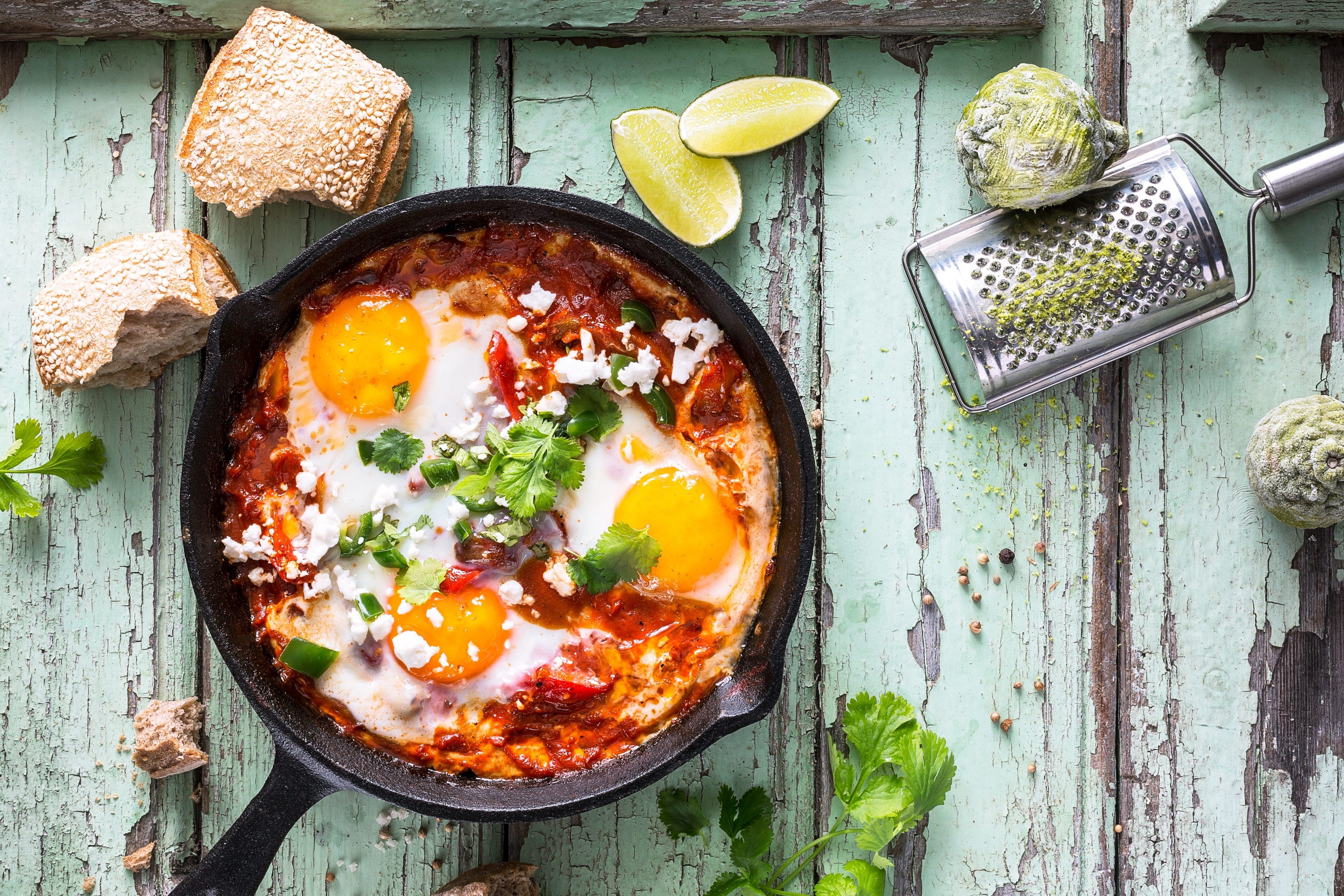
Having a strong immune system can help to reduce the risk of illness, and good nutrition can play a role in this. Eating a variety of food across all food groups, especially brightly coloured fruit and vegetables, can help provide the body with a range of different vitamins and minerals important to protecting immune function. Hence aiming to having two serves of fruit and five serves of vegetables every day is the goal.
Athletes who don’t consume enough food and fluid to meet their energy requirements are at risk of under fuelling, and this can compromise immune function. It is important to ensure you are giving your body enough fuel to support your training sessions, competition and the other daily demands in your life. Having carbohydrate-based snacks when you are out on the course or during long training sessions is important for keeping you fuelled. Plan your day ahead – on days where you are more physically active with training or competition, you will need to consume more carbohydrates, so pack some extra snacks in your golf bag.
Unfortunately, there are no miracle or superfoods that are going to solely protect your immune system so getting a range of foods is the key, focussing on some important nutrients that are immune boosters.
When it comes to your immune system, zinc is a key component. Amongst other key functions, it plays a role in cell division, cell growth and wound healing. Specifically, when it comes to zinc and our immune system, ensuring you have an adequate dietary intake of zinc can help reduce the risk of infection. Zinc can be found in animal products such as meat, seafood, poultry, nuts and seeds and dairy.
Zinc supplementation has been shown in some studies to reduce symptoms of the common cold but supplementing with zinc over a long period of time has been shown to weaken the immune system, so it is wise not to supplement with zinc as a preventative measure.
The popularity of pre and probiotics is on the rise in the general population, but don’t get them confused as they both have different roles.
Prebiotics are dietary fibre that feed the bacteria in the large bowel. When bacteria eat the prebiotic fibre, short chain fatty acids are produced. These fatty acids keep the gut lining healthy and boost immune function. Including foods like wholegrains, rice, pasta, lentil, legumes, fruit and vegetables in your diet will provide you with prebiotic fibre.
Probiotics are living microorganisms that can help develop the gut bacteria. There is some good evidence to support probiotic supplementation to reduce the likelihood of developing infections in the upper respiratory tract, and in reducing the severity of illness. There are also links to supporting mental health by improving mood and lowering stress and anxiety.
Fermented foods like yoghurt, kefir, sauerkraut, kimchi and tempeh are dietary sources of probiotics but you will also find them in tablet form or as powdered supplements. Speak with your Accredited Sports Dietitian about brands and dosage protocols.
Vitamin D is critical to supporting immune cells. Our best (and easiest to access) source of vitamin D is the sun, but access to sufficient sunlight can be difficult in winter. Vitamin D can be found in small amounts in fish with small bones (tuna, sardines, salmon), eggs, mushrooms and fortified foods such as cereals, juice and milk (and plant-based alternatives).
If you are deficient or have concerns it is best to talk with your GP or Accredited Sports Dietitian.
A food first approach is always best, as nutrients are best absorbed in their natural form. If you are deficient or have an inadequate dietary intake, supplements may be beneficial. It is best to talk with your doctor and Accredited Sports Dietitian prior to starting supplements, and if you are playing at the elite level, be sure your supplements are batch-tested to minimise risk.
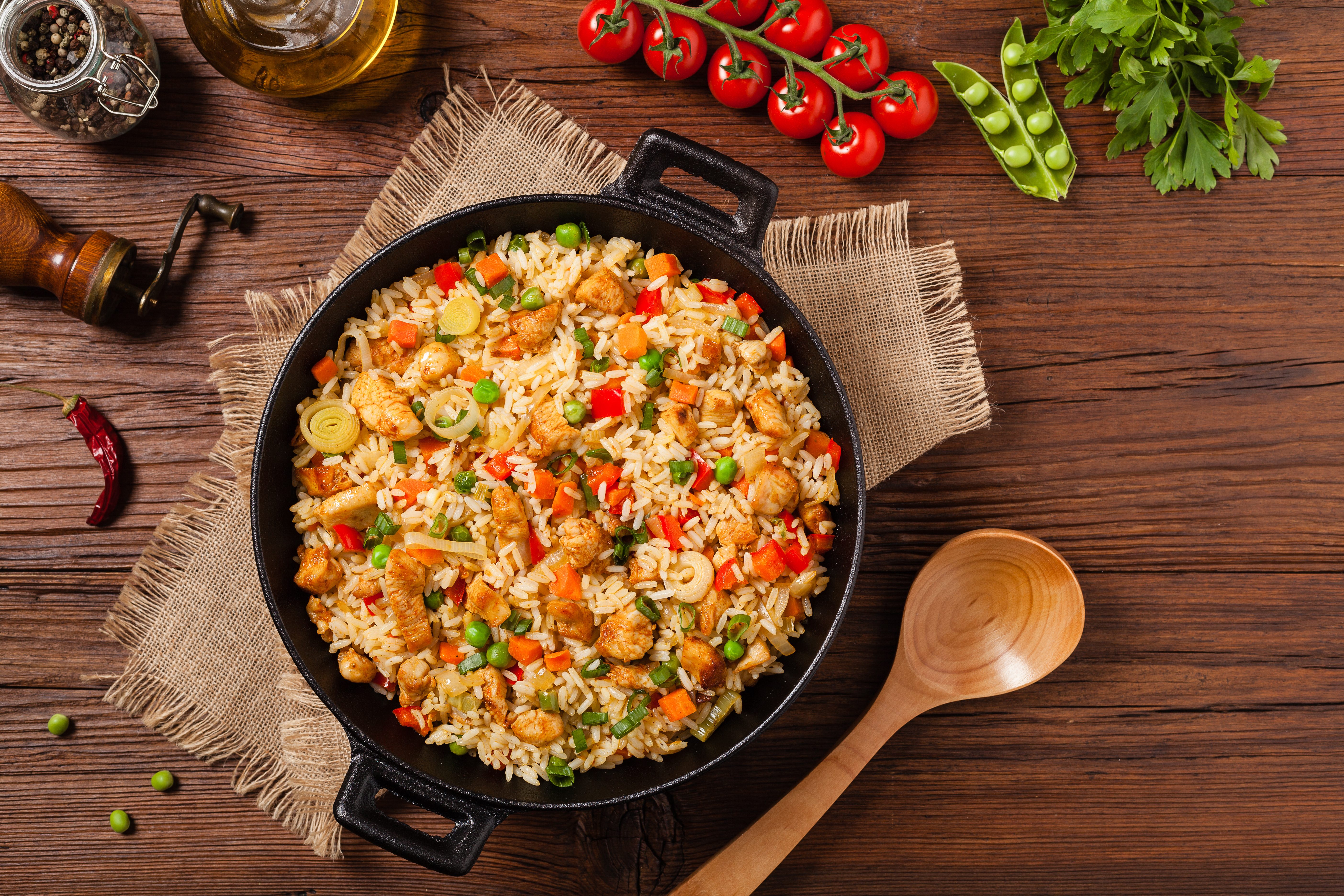
Serves 4
Ingredients:
Method:
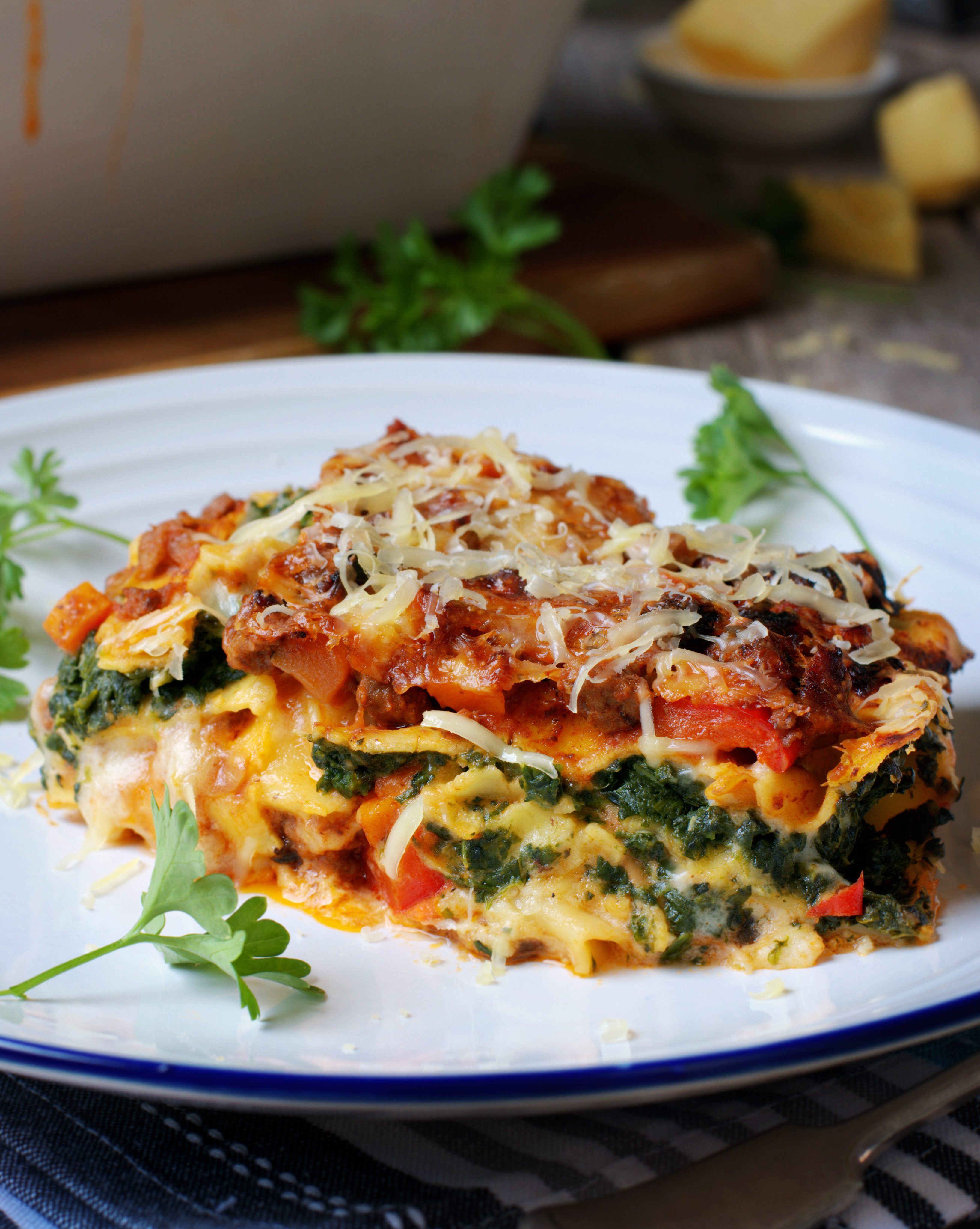
Serves 8
Ingredients:
Method:
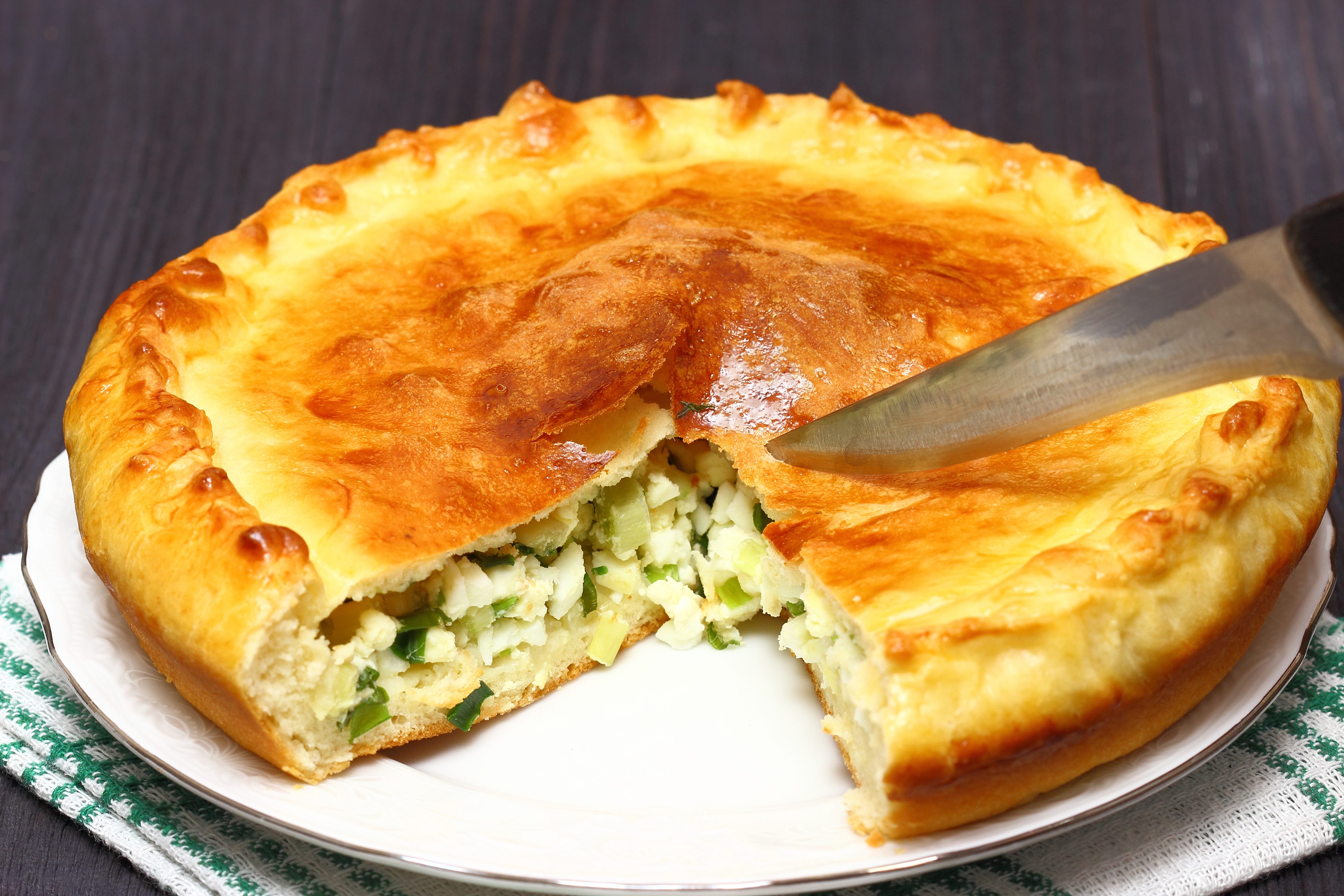
Serves 5
Ingredients:
Method:
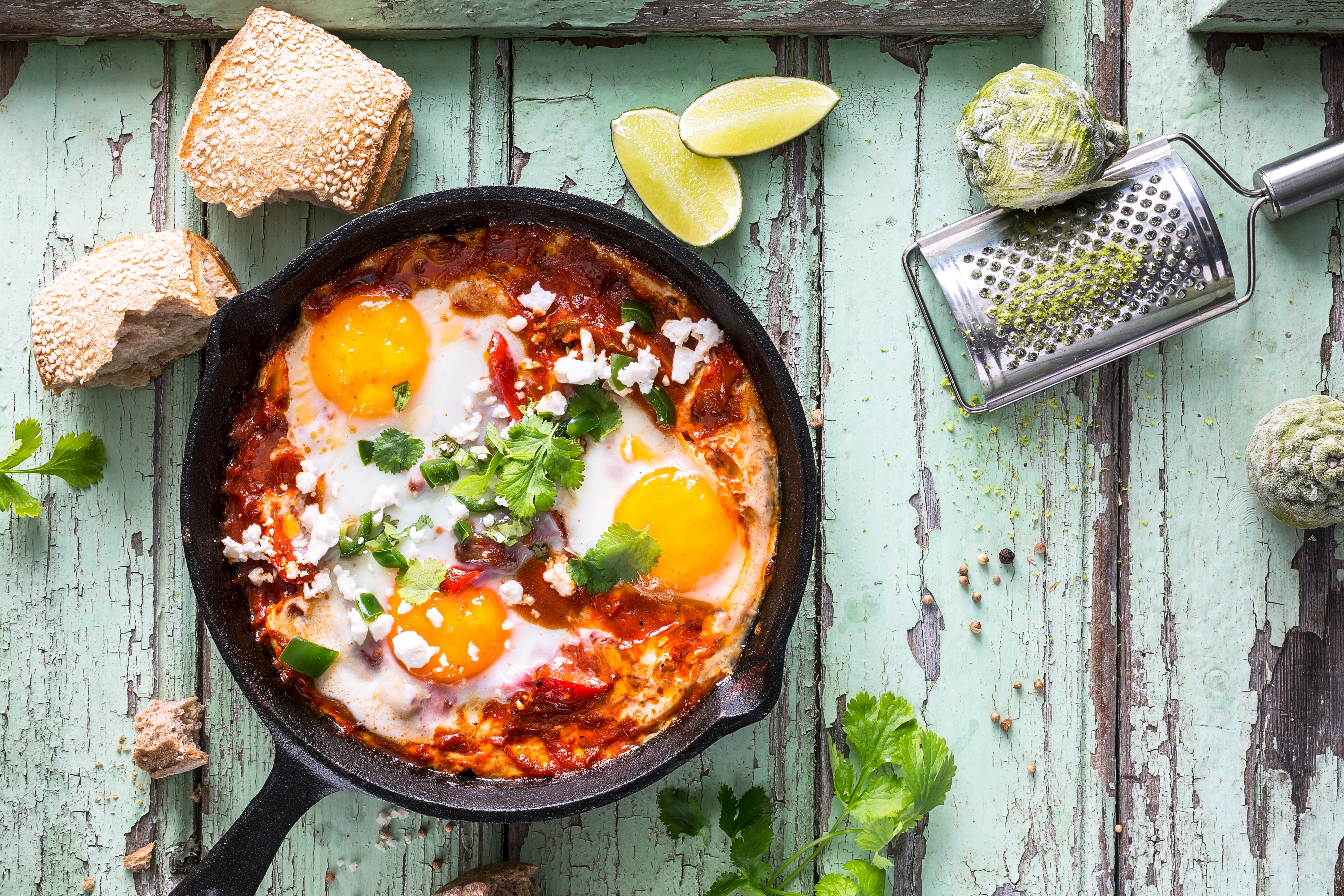
Serves 4
Ingredients:
Method
Empowering you to take performance to the next level! SDA is the peak professional body for Accredited Sports Dietitians, working with active Australians to achieve their health and performance goals with credible and expert sports nutrition advice.
To ensure advice is tailored to your specific needs, head to the Sports Dietitians Australia website at https://www.sportsdietitians.com.au/ and make an appointment with your local Accredited Sports Dietitian.
For more sports nutrition information and resources head to the Sports
Dietitians Australia website
and don’t forget to subscribe to the SDA ReFuel digital magazine which
is a free quarterly publication that showcases the role nutrition plays in exercise performance.
Words by Brittany Andreola - Accredited Sports Dietitian working with Northern Bullants, Eastern Ranges Football Clubs, Rowville Sports Academy and in private practice located in Eltham, Scoresby, and Croydon in Victoria.
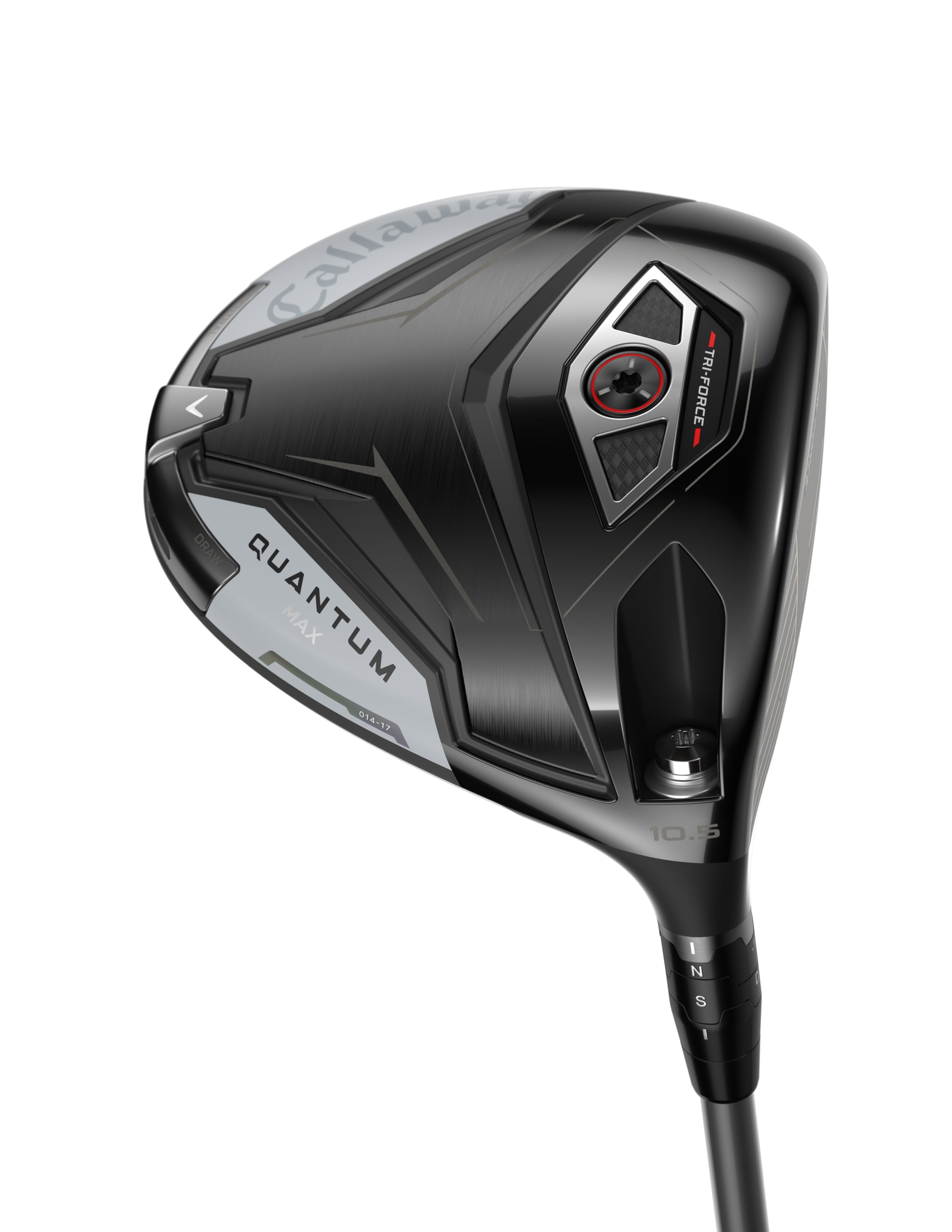
Callaway Women’s Quantum Max Driver
The standout feature of this new driver is its Tri‑Force Face Technology, which integrates titanium, poly‑mesh, and carbon fibre. Unlike
previous AI faces, this "Quantum" leap uses military-grade polymers to allow for more flex and faster recovery across the entire
face, resulting in unprecedented ball speeds!
$649.99
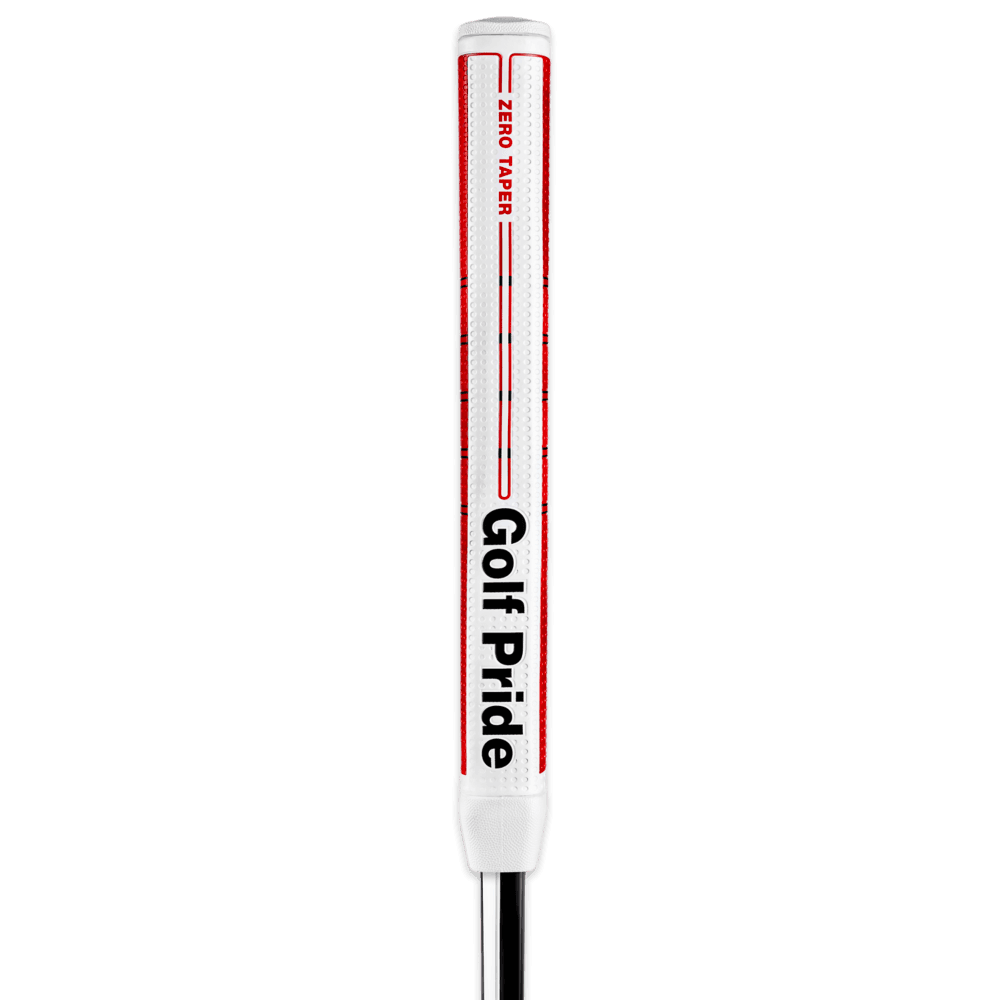
Golf
Pride Zero Taper Putter Grip
Designed for golfers who prefer to putt with the same feel in both hands – Zero Taper features a parallel-style shape for even feel in the
top and bottom hand, for a consistent stroke no matter the distance. Give it a whirl, golfer girls and improve your putting confidence.
$34.99
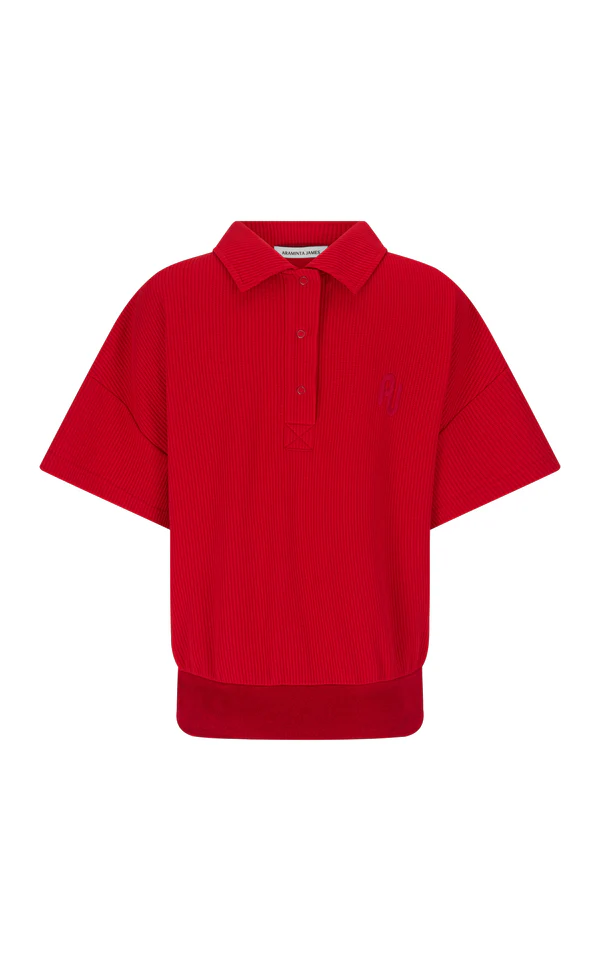
Araminta
James AJ Waffle Short Sleeve Top Poppy Red
Great for the driving range! This extra cute short-sleeve lightweight polo features a terry towelling hemline, metal snaps and embroidered
design on the front. Pair it with their Chilli Terry Short in white.
$107
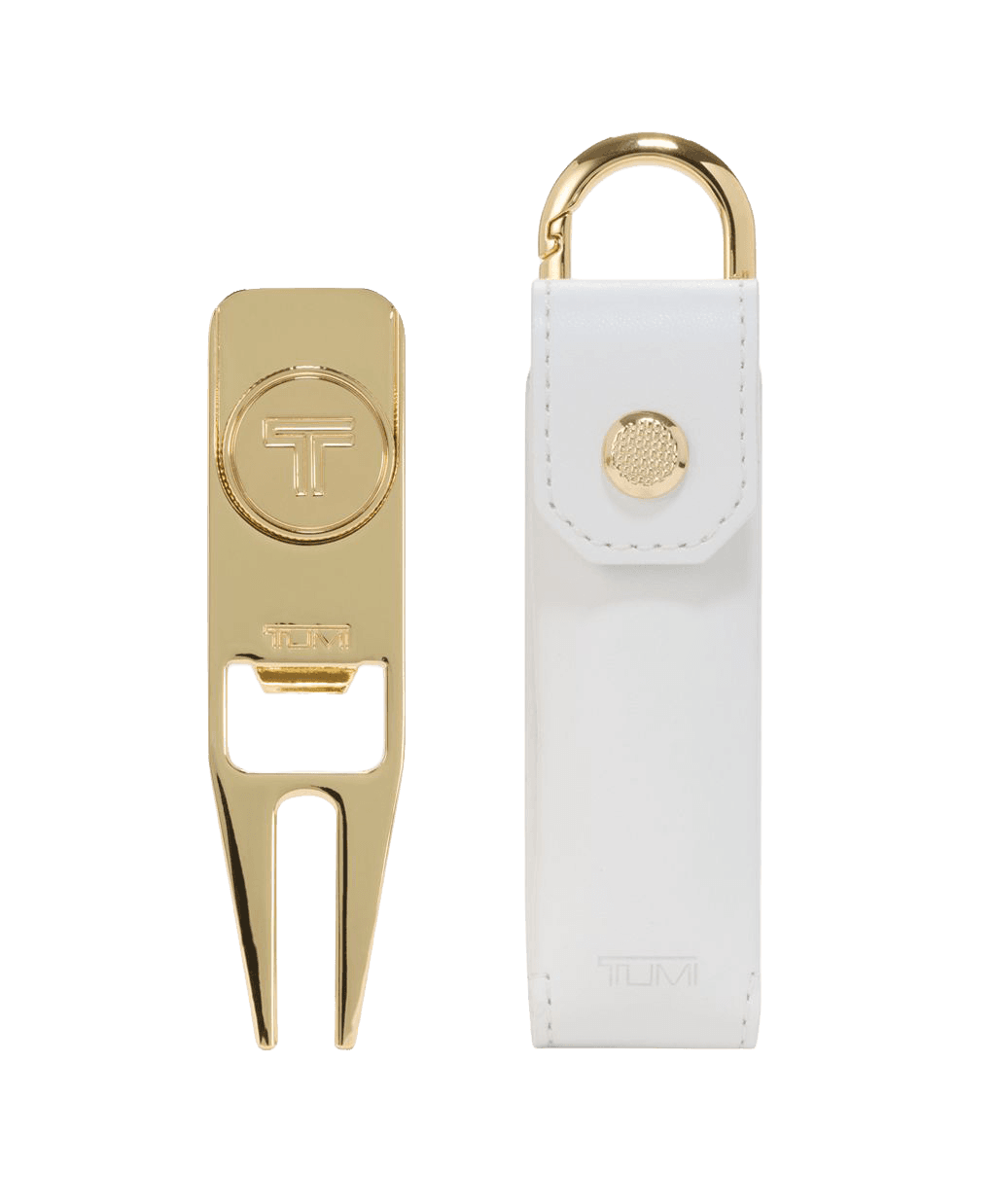
Tumi
Sport Golf Divot Tool
This monogrammable, gold-toned divot tool elevates your golf game with a magnetic ball marker and premium leather case. Bonus points for the
integrated bottle opener.
$135


.jpg)